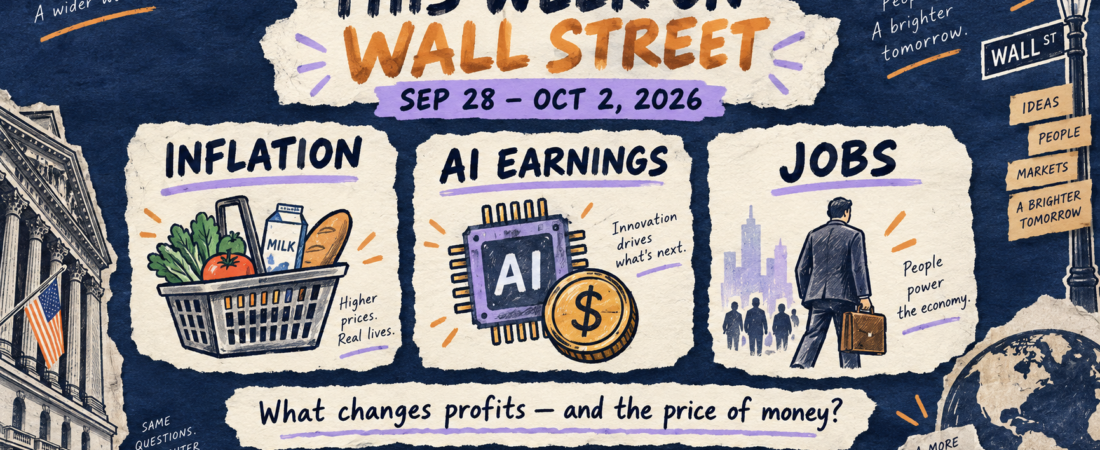
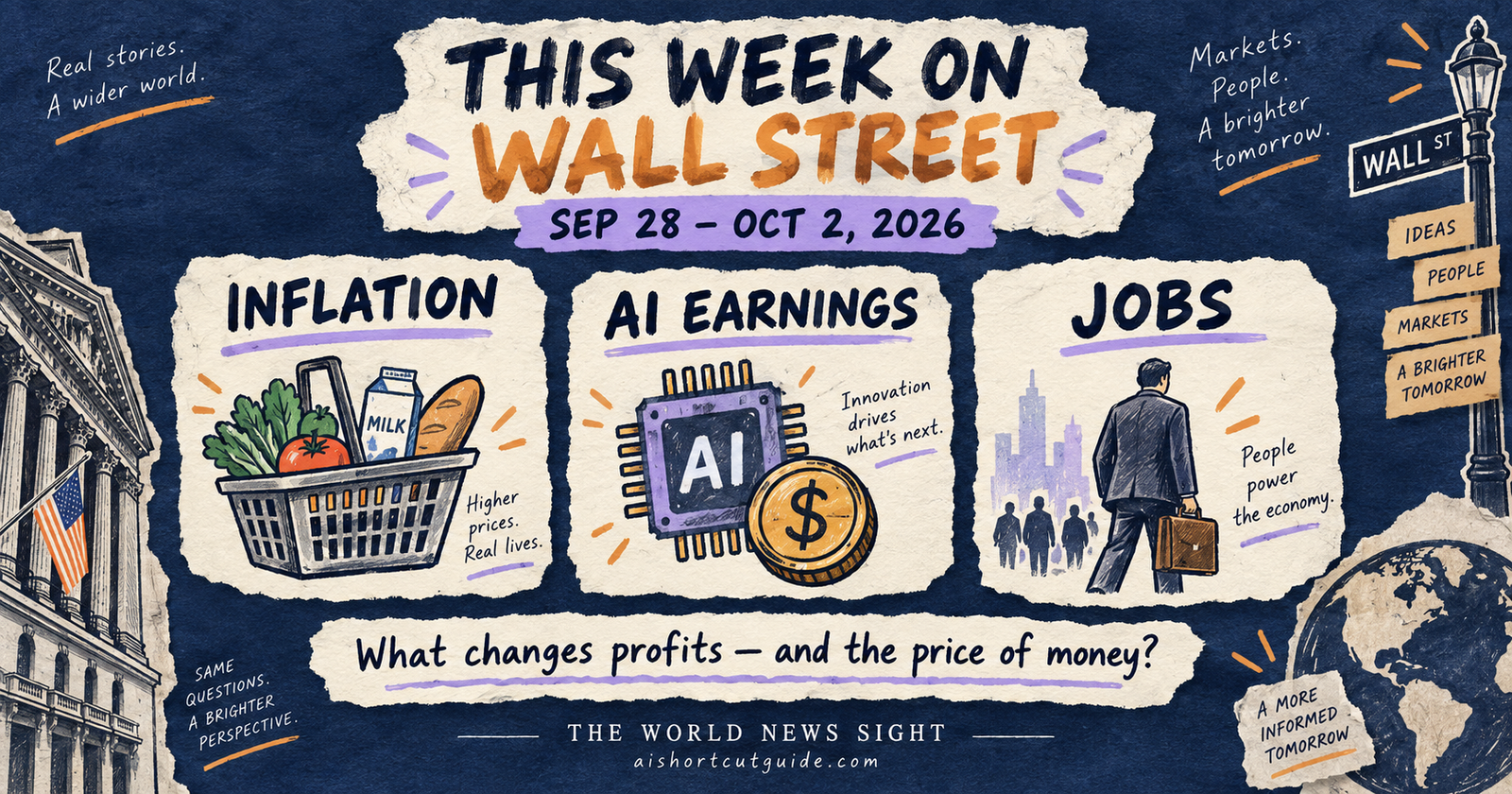
Inflation, Micron’s earnings and Friday’s jobs report arrive in the same week. The useful question is how they change two things investors pay for: future profits and the cost of money.
Wall Street enters September 28–October 2 with a fresh rate increase behind it and a crowded calendar ahead. On September 16, the Federal Reserve raised its policy-rate range by a quarter point to 3.75%–4%, citing elevated inflation. This week brings new evidence on prices, hiring and the business behind AI infrastructure.
For readers following US stocks, three questions matter: Is inflation easing? Is demand holding up? Are companies turning that demand into earnings?
The dates worth keeping
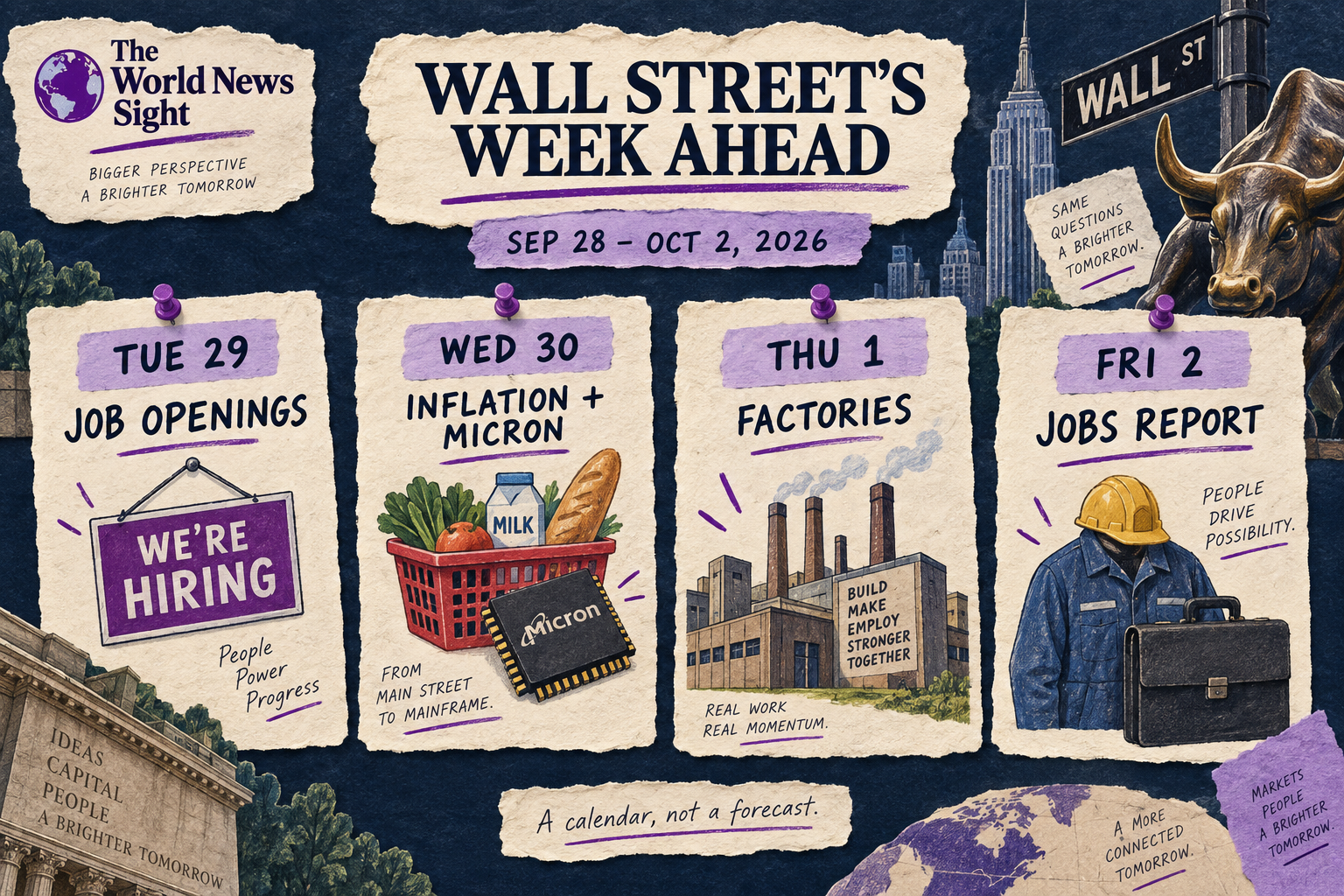
Week of September 28–October 2, 2026. All times below are US Eastern Time (EDT). These are scheduled releases, not results.
Tuesday, September 29 · 10 a.m.
August job openings and labour turnover. The BLS calendar lists JOLTS. Look beyond vacancies: hiring and quits help show whether employers and workers are actually moving.
Wednesday, September 30 · 8:30 a.m.
August personal income and spending, including PCE inflation. The BEA also schedules its third estimate of second-quarter GDP and corporate-profits figures. PCE is the price measure used for the Fed’s inflation target.
Wednesday, September 30 · 4:30 p.m.
Micron’s fiscal fourth-quarter earnings call. The company announced a 2:30 p.m. Mountain-time call, equivalent to 4:30 p.m. Eastern. Watch its outlook as well as the completed quarter.
Thursday, October 1 · 10 a.m.
September ISM manufacturing PMI. ISM’s regular schedule places manufacturing on the first business day of the month. New orders and prices paid offer different clues about demand and cost pressure.
Friday, October 2 · 8:30 a.m.
September employment report. The BLS schedule confirms the date. Read payroll growth alongside unemployment, wage growth and revisions to earlier months.
Wednesday: prices meet the AI business
PCE inflation and Micron’s results answer different questions. One concerns purchasing power across the economy; the other offers a company-level look at memory and storage demand.
A cooler inflation reading could reduce pressure for further tightening. It would not automatically make every stock more valuable. If spending is weakening at the same time, earnings expectations may come down too.
For Micron, our focus is the path from demand to cash: selling prices, profit margins, production capacity and investment spending. A factory costs money before it earns it. Strong AI demand matters more to shareholders when a supplier can meet it profitably.
Friday: one number will not tell the story
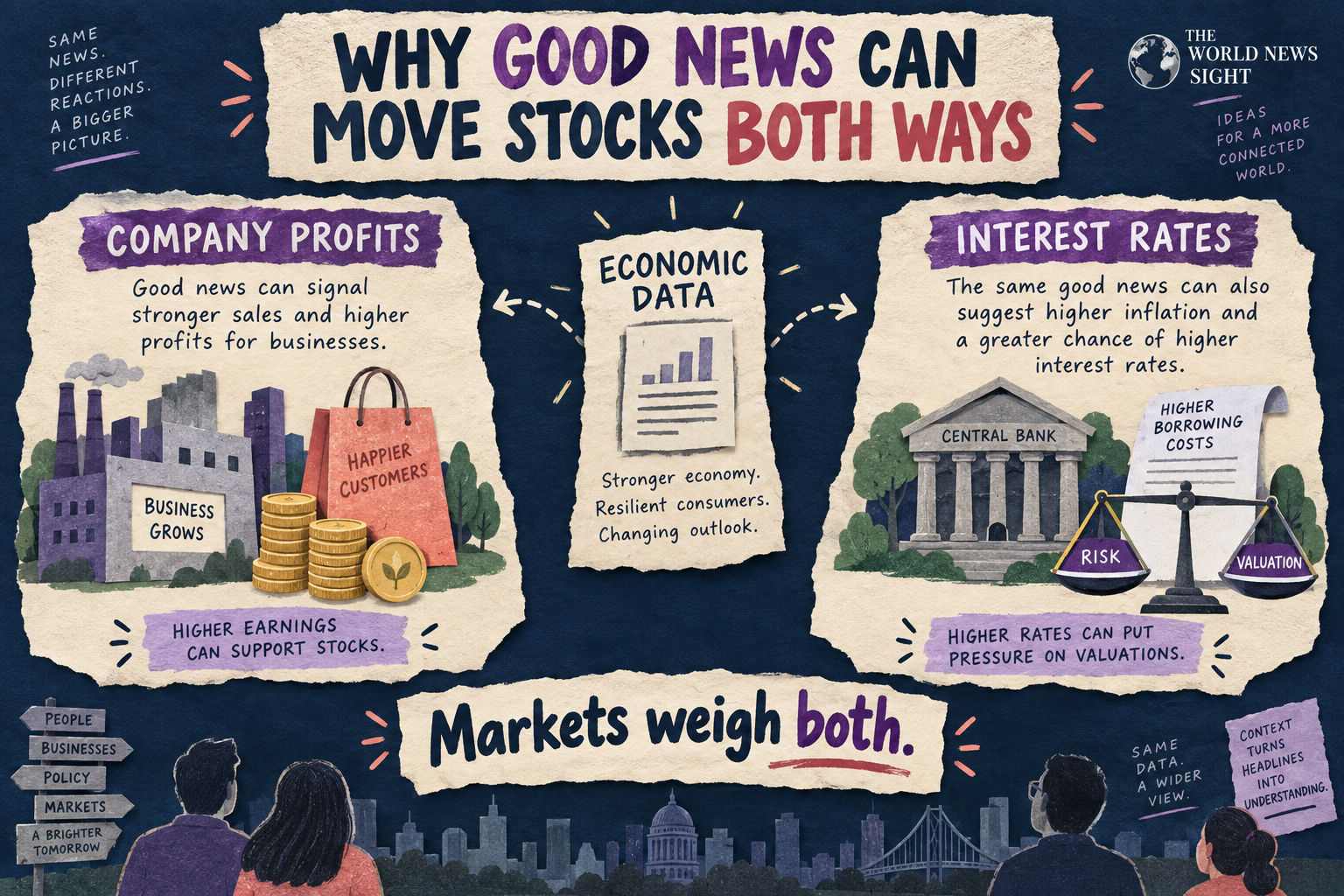
A strong payroll reading can support confidence in household spending. It can also reinforce expectations that borrowing costs will stay high. A weak reading may ease rate concerns while raising questions about sales.
That is why “good economic news” does not come with a fixed stock-market reaction. The surprise relative to expectations, revisions and the mix of growth and inflation all matter.
The practical consequences extend beyond a trading screen. Employers face wage and financing bills; households face loan repayments and shopping costs. The same release can look reassuring to one group and uncomfortable to another.
Keep the dollar and oil in view
As a conditional watchlist, a stronger dollar can reduce the dollar value of overseas earnings, while higher oil prices can lift fuel bills and help some producers. These effects vary by company, contracts and hedging. Neither move proves what the Fed will do next.
A simple way to follow the week
After each release, ask what changed for demand, costs and interest rates. Then check whether company guidance supports the same story. Our editorial view: the strongest signal would be several releases pointing in the same direction. Conflicting evidence is a reason to keep the conclusion open.
Schedule and sources checked September 28, 2026, before the listed releases. Official calendars can change. Illustrations explain concepts; they are not market data or forecasts. This article provides general information, not a recommendation to buy or sell securities.